Get Residential Water Treatment in Grand Rapids, MI
Residential Water Treatment services in Grand Rapids, MI, help property owners address issues like hard water, bad taste, or contaminants through projects such as filtration, softening, and purification system installation or repair by local contractors.
Property owners in Grand Rapids, MI, considering residential water treatment services often want to explore practical solutions that ensure clean, safe water throughout their homes. Whether addressing concerns about water quality, taste, or potential contaminants, many seek to understand the options available locally. Comparing different service providers and planning a project can help ensure the right system is chosen to meet specific needs, making it easier to make informed decisions about water quality improvements.
This page is designed to connect property owners with local contractors experienced in residential water treatment. By exploring available services, homeowners can better understand the types of solutions offered in the area and find professionals suited to handle their water quality concerns. Keep reading to discover how local service providers can assist in developing a plan tailored to your home's water needs.
- Water Softening Installation - needed when hard water causes mineral buildup and scale in plumbing fixtures in neighborhoods like Eastown or Heritage Hill.
- Iron and Sulfur Filtration - required if local well water has a strong odor or discoloration affecting homes in Grand Rapids’ residential areas.
- UV Water Purification - suitable for households seeking to eliminate bacteria and viruses from their drinking water sources.
- Reverse Osmosis Systems - ideal for residents wanting to improve taste and remove contaminants from tap water in areas with questionable water quality.
- Whole-House Water Treatment - recommended when comprehensive water quality improvements are needed for multiple fixtures in a home.
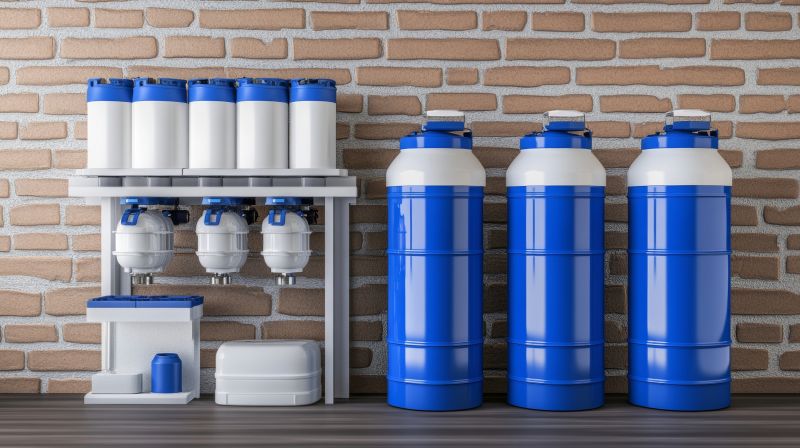
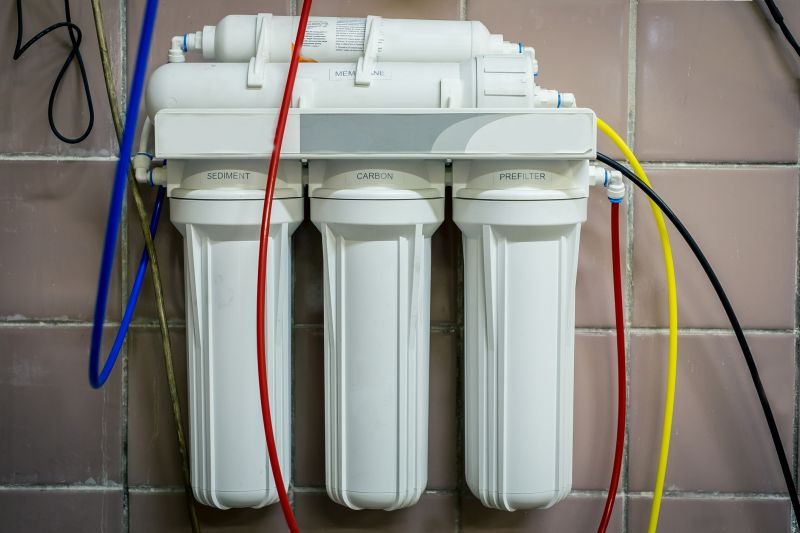
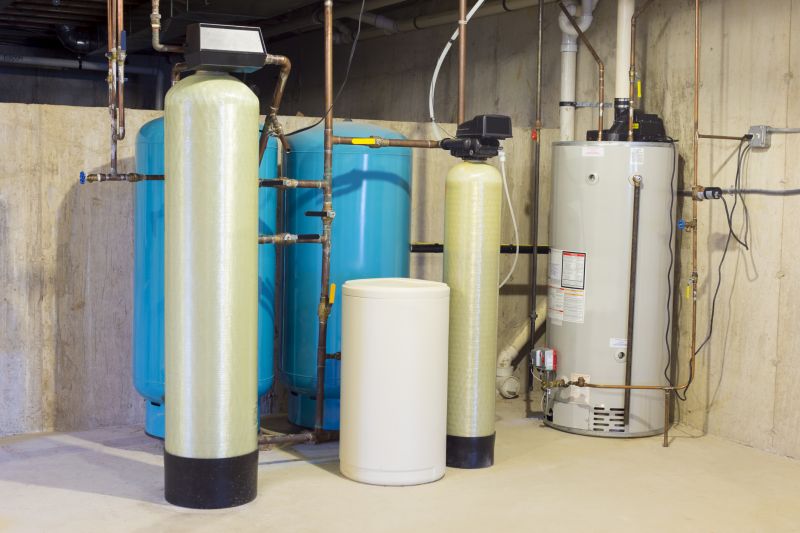
Residential water treatment services involve installing systems that improve the quality of tap water throughout a home. These systems can include filters, softeners, or purification units designed to remove common contaminants such as chlorine, sediment, minerals, and other impurities. By upgrading existing plumbing with these solutions, homeowners can enjoy cleaner, clearer water for drinking, cooking, laundry, and bathing. Professional service providers assess the specific water quality issues in each property and recommend the most suitable treatment options to ensure safe and pleasant water usage.
Many common problems can be addressed through residential water treatment. Hard water caused by high mineral content can lead to scale buildup on appliances, reduce soap effectiveness, and cause skin irritation. Contaminants such as chlorine or organic compounds can affect taste and odor, making water unpleasant to drink. In some cases, water may contain harmful substances like iron, sulfur, or bacteria, which can pose health concerns or cause staining and odors. Service providers help identify these issues through testing and then install or maintain systems to eliminate or reduce these problems, ensuring that water is both safe and enjoyable to use.
Properties that typically utilize water treatment services include single-family homes, multi-unit residential buildings, and vacation properties. Homes with private wells often rely on these systems to compensate for the lack of municipal treatment, addressing issues like bacteria, nitrates, or iron. Older residences with aging plumbing may also benefit from water softening or filtration to improve water quality and protect pipes and fixtures. Additionally, properties with specific health concerns or aesthetic preferences may choose customized treatment solutions to meet their needs. Local contractors can evaluate each property’s water supply and recommend the appropriate treatment system to enhance water quality.
Homeowners who notice changes in water appearance, taste, or smell, or experience skin irritation after bathing, may find residential water treatment beneficial. Problems such as hard water deposits, foul odors, or discolored water are common signs that a treatment system could improve water quality. Installing a water treatment system can help prevent damage to appliances, reduce maintenance costs, and provide peace of mind about the safety of household water. Service providers in the area are available to assess individual needs, recommend suitable solutions, and handle the installation or maintenance of systems tailored to the specific characteristics of each property.
The overview below groups typical Residential Water Treatment projects into broad ranges so you can see how smaller, mid-sized, and larger jobs often compare in Grand Rapids, MI.
In many markets, a large share of routine jobs stays in the lower and middle ranges, while only a smaller percentage of projects moves into the highest bands when the work is more complex or site conditions are harder than average.
Smaller Repairs - Typical costs for minor water treatment fixes, such as replacing filters or small components, range from $150 to $400. Many routine repairs fall within this band, depending on the specific parts and labor involved.
Whole-House Systems - Installing or upgrading a residential water treatment system for an entire home generally costs between $1,000 and $3,500. Larger, more complex setups can reach $4,500 or more, but most projects stay within the middle range.
Full System Replacement - Replacing an existing water treatment system with a new unit often costs $2,000 to $6,000, depending on the size and features. Many homeowners see costs in this range, with higher-end systems pushing into the upper tiers for larger homes.
Custom or Advanced Solutions - Specialty or custom water treatment solutions, such as multi-stage filtration or specialty mineral removal, can range from $4,000 to over $8,000. These projects are less common and tend to be on the higher end of the cost spectrum.
Actual totals will depend on details like access to the work area, the scope of the project, and the materials selected, so use these as general starting points rather than exact figures.
Water Filtration System Installation - local contractors can install and configure whole-house or point-of-use filtration units to improve water quality for residential properties.
Reverse Osmosis System Setup - professionals can set up reverse osmosis systems that require precise plumbing and system integration for clean drinking water.
Water Softener Installation - local service providers can install and service water softening units to reduce mineral buildup and improve water clarity.
Well Water Treatment Projects - contractors experienced in well water systems can design and implement treatment solutions for homes relying on private wells.
Water Quality Testing Services - specialists can perform testing to assess water contaminants, helping determine appropriate treatment options for residential clients.
Tankless Water Heater Installation - experts can install tankless systems that often require plumbing adjustments similar to water treatment system setups.
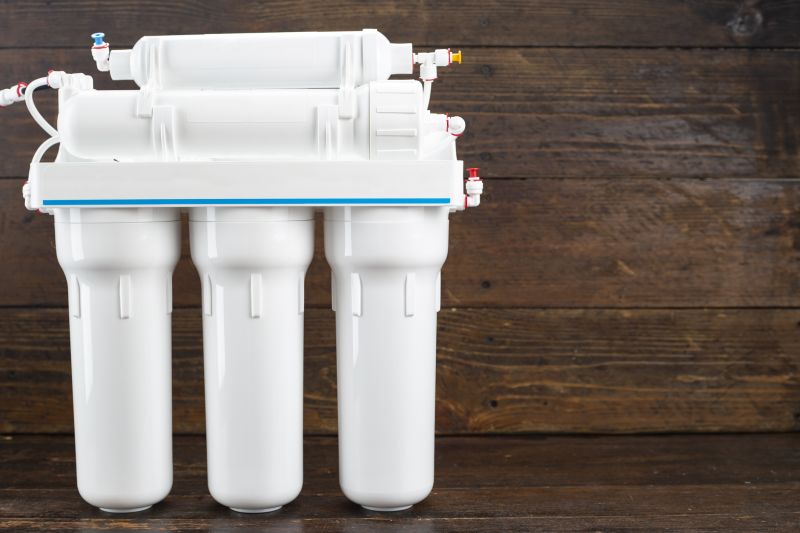
When selecting a service provider for residential water treatment, it’s important to consider their experience with similar projects. Homeowners should look for local contractors who have a proven track record of handling water treatment systems in homes comparable to their own. This can include the type of system needed, the size of the household, and specific water quality concerns. An experienced professional is more likely to understand the nuances of different water sources and treatment options, helping ensure the installation or maintenance aligns with the unique needs of the home.
Clear and detailed written expectations are essential when evaluating local contractors for water treatment services. Homeowners should seek providers who can articulate what the project will entail, including the scope of work, materials used, and any necessary follow-up or maintenance. Having this information in writing helps prevent misunderstandings and provides a reference point for both parties throughout the process. It also demonstrates the contractor’s professionalism and commitment to transparency.
Good communication and reputable references are key indicators of a reliable service provider. Homeowners should inquire about a contractor’s reputation within the community and seek out references from previous clients who had similar work done. Open lines of communication, responsiveness to questions, and clarity in explaining options and procedures are signs that a local professional values customer service. While this site introduces homeowners to local options, it’s important to verify these qualities directly with the service providers to find a trustworthy partner for residential water treatment needs.
Property owners in Grand Rapids, MI use Residential Water Treatment services for practical projects around their homes and businesses. This guide focuses on everyday jobs and straightforward project options.
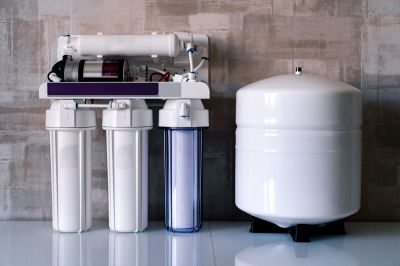
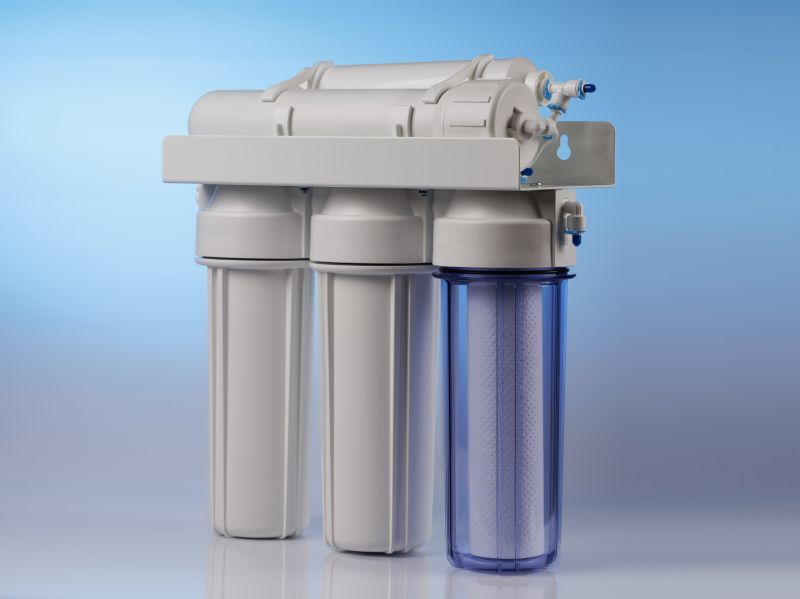
Residential water treatment services are often sought by property owners in Grand Rapids, MI who are experiencing issues with their tap water quality. Common situations include noticing a change in water taste or smell, concerns about sediment or minerals, or the presence of discoloration. Local contractors can evaluate these concerns and recommend appropriate solutions, such as filtration systems or water softeners, to improve the clarity and safety of household water supplies.
Additionally, property owners may look for water treatment services when installing new appliances or remodeling kitchens and bathrooms. Properly treated water can help extend the lifespan of plumbing fixtures and appliances, while also providing peace of mind about water purity. Service providers in the area can assist with system installation, maintenance, and upgrades to ensure that residential water quality meets individual needs and local standards.
How do residential water treatment systems improve water quality? Residential water treatment systems filter out contaminants, sediments, and impurities to provide cleaner, safer water for household use.
What types of water treatment options are available for homes? Common options include water softeners, carbon filters, UV purifiers, and reverse osmosis systems, each designed to address specific water quality issues.
How can I determine which water treatment system is suitable for my home? Local contractors can assess your water supply and help identify the most effective treatment options based on your water analysis and household needs.
Are residential water treatment systems easy to maintain? Maintenance requirements vary by system, but many units require regular filter replacements or system checks, which local service providers can assist with.
Can a residential water treatment system remove specific contaminants like lead or bacteria? Yes, certain systems are designed to target specific contaminants such as lead, bacteria, or chlorine, providing tailored solutions for household water concerns.
Whole House Water Filtration - Property owners can install systems that improve water quality throughout their homes, making everyday activities like cooking and cleaning safer and more enjoyable.
Reverse Osmosis Systems - Homeowners can use this service to provide purified drinking water directly from their kitchen tap, enhancing health and taste.
Water Softening Solutions - Residents dealing with hard water issues can have contractors install softening systems to prevent scale buildup and extend appliance life.
Iron and Sediment Removal - Property owners can improve water clarity and reduce staining by removing iron, sediment, and other impurities from their well or municipal water supply.
If you are thinking about Residential Water Treatment for a property in Grand Rapids, MI, this guide is meant to help you understand the work, the typical project types, and how different options might fit your plans.
When you are ready, you can use the quote form on this page to share a few details about your project. From there, local pros can review the basics and respond with options that match what you have in mind.